In power generation and engine-driven systems, reliable control is the difference between steady output and constant troubleshooting. Speed control, load sharing, and safe operation all depend on how accurately a system responds when conditions change. That’s why many engineers and maintenance teams look closely at Woodward solutions when evaluating control technology. These systems are known less for marketing features and more for predictable behavior, repeatable performance, and long service life in demanding environments. Instead of guessing how a controller will react under load, operators can rely on a consistent response and clear logic.
This article takes a practical look at how Woodward Control systems and actuators work, how the main product lines differ, and where each option fits best.
The aim is to reduce uncertainty, answer real technical questions, and help decision-makers compare solutions with confidence rather than hesitation.
What Are Woodward Control Systems and Why They Matter in Power Generation
If you’re evaluating Woodward controls for an existing generator or planning a replacement, having the correct controller or actuator matters just as much as the control logic itself. Matching part numbers, system voltage, and application type early helps avoid downtime and costly rework.
Core Control Functions
At a functional level, Woodward control systems regulate speed, manage electrical load sharing, and maintain safe operating limits. In generator systems, this includes frequency control, voltage coordination, and protective shutdown logic. For engines and turbines, the system adjusts fuel or input signals to maintain steady output and prevent overspeed or instability.
How the System Operates in Real Conditions
During normal operation, the controller continuously monitors key inputs such as speed, load, and system response. It makes small, precise adjustments in real time to keep performance balanced. This constant feedback loop allows the system to respond smoothly to sudden load changes or environmental stress.
Why Engineers Rely on Woodward Control
Systems from Woodward are commonly used in industrial power plants, standby and prime generators, marine equipment, and turbine-driven applications. Engineers value them for predictable behavior, clear logic, and long-term reliability, which helps reduce downtime and simplify maintenance planning over the life of the equipment.
You can explore available Woodward controllers and actuators or request guidance based on your system configuration.
Woodward Actuators: Role & Applications
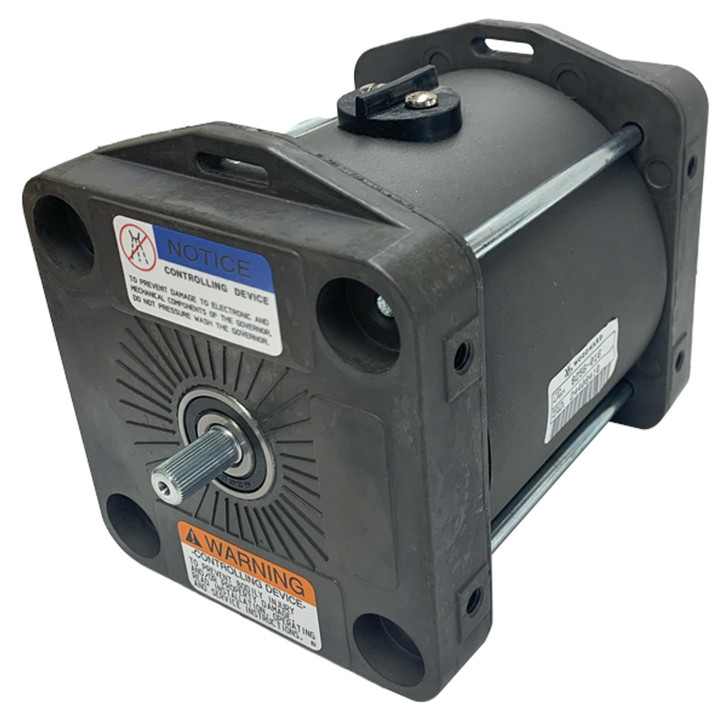
Actuators convert electronic control signals into controlled mechanical movement. In engine and generator systems, this movement adjusts fuel delivery, throttle position, or valve settings so output stays stable as load conditions change. The actuator is the component that physically carries out the commands issued by the controller.
Why Precision and Reliability Matter
Accurate positioning supports smooth load response and steady speed control. Reliable operation prevents drift, hunting, and performance loss during long run hours.
Typical Industrial and Power Generation Uses
Actuators are commonly used in standby and prime generators, industrial engines, marine systems, and mechanical drive applications where stable operation is required.
Overview of Key Woodward Controllers
Control requirements vary widely depending on system size, operating mode, and long-term goals. Some installations prioritize flexibility and future expansion, while others value stability and continuity above all else. Two controller platforms that frequently appear in generator applications reflect these different needs: Woodward easYgen and Woodward EGCP-2. Both are built on the same core control principles, but each serves a distinct role.
Woodward easYgen: Purpose and Best Use Cases
The Woodward easYgen platform is designed for modern generator systems that require integration, scalability, and centralized control. It combines engine management, generator protection, and system monitoring within a single controller. This unified approach simplifies configuration and reduces the need for external devices.
The platform is commonly selected for:
- New generator installations
- Systems operating multiple generator sets in parallel
- Sites that require communication with supervisory or remote monitoring systems
Its structured logic allows operators to manage complex operating scenarios while maintaining clear system behavior. The design supports future expansion without requiring major changes to the control architecture, which makes it well-suited for evolving power environments.
Woodward EGCP-2: Differentiation and Continued Use
The woodward EGCP-2 controller is most often found in established generator installations. It is known for straightforward operation and long-term durability, especially in systems that have run reliably for many years.
This controller continues to be used in:
- Legacy generator rooms
- Retrofit projects where existing wiring and control layouts must remain unchanged
Although it does not offer the same level of modern connectivity, the Woodward EGCP-2 remains relevant where operational familiarity and proven performance are priorities.
Practical Comparison
- Woodward easYgen: supports flexibility, communication, and system growth,
And the easYgen controller is commonly selected for modern generator systems requiring parallel operation and centralized control. - Woodward EGCP-2: supports stability, continuity, and minimal system disruption and EGCP-2 controllers are often replaced or refurbished during generator retrofits where maintaining existing wiring and control logic is critical.
Both platforms apply the same control fundamentals, but each aligns with different operational priorities and risk profiles.
How Woodward Compares to Other Control Systems
Across the control market, many systems perform well on paper. What often distinguishes Woodward Control in practice is consistency over time. These systems are designed to operate the same way year after year, even as equipment ages.
Rather than focusing on short-term features, Woodward Control solutions emphasize:
- Stable performance under variable loads
- Compatibility across engines and generators
- A mature ecosystem of controllers and actuators
For operators and maintenance teams, that stability reduces uncertainty and simplifies long-term planning.
When Is Woodward the Right Choice?
Woodward solutions are typically the right fit when control reliability and long-term performance take priority over short-term cost savings. They tend to align well with applications where operating conditions are demanding and system behavior must remain predictable.
Woodward may be the right choice when:
- Equipment uptime directly impacts production, safety, or revenue
- Precise load control and fast response are required under changing conditions
- Multiple generators must operate together in parallel
- System expansion or configuration changes are expected over time
- Long-term parts availability and technical support matter
These systems most often benefit engineers, maintenance managers, and OEM buyers responsible for critical power infrastructure. In these environments, consistent behavior and proven control logic reduce risk, simplify maintenance, and support confident long-term operation.
Practical Guidance for Control System Decisions
If you’re working with an existing Woodward-controlled generator or planning a system upgrade, selecting the correct controller or actuator early can prevent costly downtime. Our team can help verify part compatibility, application requirements, and replacement options based on your setup. If you’re assessing Woodward control for an engine or generator application and want guidance based on real use cases, contact us to discuss your setup and requirements.