An automatic transfer switch failure can leave a facility without backup power, even when the generator starts normally. The switch may stay on the utility source, pause in neutral, or refuse to carry the emergency load. These symptoms do not always mean the entire unit has failed. A damaged fuse, sensing fault, loose wire, controller error, or generator communication problem can interrupt the transfer sequence.
This guide explains the warning signs, likely causes, and safest diagnostic order. It also helps facility managers and generator owners separate switch faults from generator problems. Qualified technicians should handle internal tests because transfer equipment may contain dangerous energized components during routine inspection and service.
What Does an Automatic Transfer Switch Failure Mean?
An automatic transfer switch monitors power from the utility service. When utility voltage drops beyond acceptable limits, the ATS sends a start command to the generator.
After the generator reaches stable voltage and frequency, the switch transfers the electrical load. It returns the load to utility power once normal service resumes.
An automatic transfer switch failure interrupts one or more steps in this sequence. However, the switch assembly may not be the source of the problem.
A fault can originate from several components:
- The ATS controller
- Utility or generator voltage-sensing circuits
- Control-power fuses
- Damaged or loose wiring
- The transfer contactor
- Mechanical linkages
- Generator controls
- Communication connections
Correct diagnosis requires testing the complete standby power system. Replacing the ATS without finding the actual fault can waste time and money.
Common Signs Your Automatic Transfer Switch Is Not Working
Recognizing the symptoms helps technicians narrow the problem before opening or testing the equipment.
Common signs include:
- The generator starts, but the building remains without power.
- The ATS does not transfer after utility service fails.
- The switch stays in manual or neutral mode.
- The controller displays an alarm, warning, or fault code.
- The switch transfers only during some outages.
- The ATS transfers to generator power but will not retransfer.
- The enclosure produces buzzing, chattering, or grinding sounds.
- Terminals or contacts show heat damage or discoloration.
- The switch operates much slower than expected.
- The generator runs, but the connected load receives no power.
If the automatic transfer switch is not working, avoid repeatedly forcing manual operation. A technician should first determine what prevents the normal sequence.
Common Causes of Automatic Transfer Switch Failure
Several electrical, mechanical, and control problems can interrupt ATS operation. Automatic transfer switch troubleshooting should examine each possibility before recommending replacement.
Incorrect Selector Position
An ATS left in OFF, TEST, or MANUAL mode may not respond during an outage. Maintenance personnel sometimes change the selector position and forget to restore AUTO mode.
Always confirm the correct operating position before inspecting other components.
Loss of Control Power or a Blown Fuse
The controller and transfer mechanism require reliable control power. A blown fuse, failed transformer, or disconnected supply can stop the sequence.
The ATS may appear completely inactive when control power is absent. Qualified personnel should identify why a fuse opened before installing another one.
Utility Voltage-Sensing Failure
The ATS relies on sensing circuits to detect utility conditions. A failed sensor may report that utility power remains acceptable during an actual outage.
Incorrect voltage settings can produce a similar result. The controller may also misread unstable power as normal utility service.
Loose, Damaged, or Corroded Wiring
Vibration, heat, moisture, and age can weaken connections. Loose control wiring may cause delayed, intermittent, or incomplete transfer commands.
Corrosion can also increase resistance and produce overheating. Technicians should inspect terminal condition and verify connections using manufacturer torque requirements.
Failed Contactor or Mechanical Components
A contactor must move fully between utility and generator positions. Worn contacts, damaged springs, binding linkages, or a failed operating coil can prevent movement.
Mechanical problems may cause chattering, unusual noise, or a switch that remains between sources.
ATS Controller Malfunction
The controller manages sensing, timing, transfer, and retransfer functions. Failed electronics or incorrect programming may block these operations.
Communication faults between the ATS and generator controllers can also prevent the start or transfer command. Technicians should review alarms and settings before condemning the controller.
Generator Start or Communication Problems
A transfer cannot occur if the generator fails to start or produce acceptable power. A weak battery, shutdown alarm, fuel issue, or start-circuit fault may be responsible.
Communication wiring between the generator and ATS can also fail. The switch may detect an outage but remain unable to start the generator.
Poor Installation or Incorrect Configuration
Incorrect wiring, improper phase rotation, unsuitable voltage settings, and programming errors can cause recurring transfer problems.
An incorrectly sized ATS may also overheat under load. Installation records and manufacturer specifications can help identify configuration concerns.
Environmental Damage
Moisture, dust, insects, corrosion, and excessive heat can damage internal parts. Blocked ventilation may also raise operating temperatures.
Outdoor and industrial systems need suitable enclosures. Regular inspections can identify environmental damage before it causes an automatic transfer switch failure.
Automatic Transfer Switch Troubleshooting Steps
A logical testing order helps prevent incorrect conclusions. It also reduces unnecessary replacement of working components.
1. Confirm the Utility Power Condition
Verify whether utility voltage has actually failed or dropped outside programmed limits. A localized circuit problem may resemble a complete outage.
Do not assume the ATS received a valid transfer signal simply because part of the building lost power.
2. Verify That the ATS Is in AUTO Mode
Check the selector position and controller status. The switch must normally remain in AUTO mode to respond without human input.
Review recent maintenance activity if the selector appears in another position.
3. Confirm Generator Operation and Output
Determine whether the generator starts after receiving a command. Then verify that it develops stable voltage and frequency.
A running engine does not prove the alternator produces usable power. Qualified technicians should perform electrical output measurements.
4. Review Alarms and Fault Codes
Read the ATS display before clearing any alarms. Record each message, code, and event timestamp.
These details can reveal sensing faults, failed transfers, time-delay problems, or communication errors.
5. Inspect Accessible Fuses and Connections
Look for blown control fuses, loose plugs, corrosion, discoloration, and damaged wiring. Do not remove protective covers around energized equipment.
A blown fuse often indicates another fault. Replacing it repeatedly does not correct the underlying problem.
6. Verify Voltage Sensing
Technicians should confirm whether the ATS detects both utility and generator voltage correctly. This check may require measurements at energized terminals.
Only trained and properly equipped professionals should complete internal voltage testing.
7. Observe the Transfer Attempt
Determine whether the controller issues a transfer command. Listen for coil operation and observe approved position indicators.
If the controller commands a transfer but the mechanism does not move, a mechanical or contactor problem becomes more likely.
These Automatic transfer switch troubleshooting steps create a clear path from the power sources to the switching mechanism. They also limit unnecessary component changes.
Is the Problem the ATS or the Generator?
When a generator transfer switch is not working, the visible symptom may not reveal which component caused it. The sequence of events offers useful clues.
The Generator Does Not Start
The generator, battery, fuel system, start circuit, or communication wiring may be responsible. The ATS could still have a sensing or start-contact problem.
Technicians should confirm whether the switch sent the start command before blaming either component.
The Generator Starts, but the ATS Never Transfers
The generator may not produce acceptable voltage or frequency. If its output is stable, ATS sensing, control, or mechanical faults become more likely.
A failed transfer coil or binding contactor could also prevent movement.
The ATS Transfers, but Generator Voltage Is Unstable
This symptom usually points toward the generator, alternator, governor, or voltage regulator. The ATS may be operating correctly by responding to the available source.
The generator remains part of a complete standby generator system. Both sides must work together to deliver dependable backup power.
The ATS Will Not Return to Utility Power
The switch may not sense restored utility voltage. A retransfer timer, controller setting, mechanical fault, or unstable utility source may also delay the change.
When an automatic transfer switch is not working consistently, compare controller data with actual source conditions.
When Should an Automatic Transfer Switch Be Repaired or Replaced?
Repair may be appropriate when technicians can isolate the problem to a serviceable fuse, sensor, controller, coil, or connection.
Replacement becomes more practical when damage threatens reliability or parts are unavailable. Important factors include:
- Burned, pitted, or severely worn contacts
- A failed controller with limited replacement support
- Repeated transfer failures after proper repairs
- Obsolete components or discontinued parts
- An ATS with an inadequate current rating
- Major mechanical or enclosure damage
- Extensive corrosion or heat damage
- Poor compatibility with upgraded generator equipment
- Advanced age and declining overall condition
Available automatic transfer switches vary by amperage, voltage, pole configuration, and application. Any replacement must match the electrical system and operational requirements.
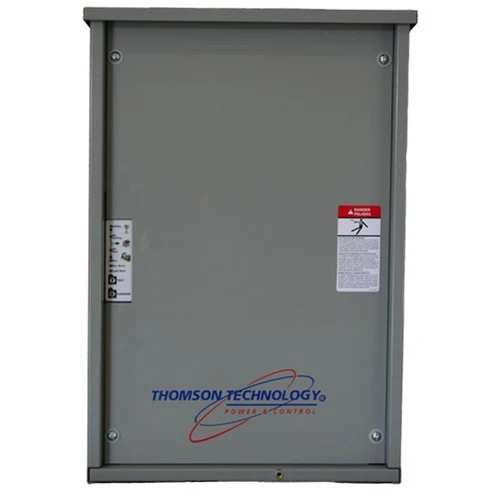
Some modern units combine sensing, programmable delays, event records, and diagnostics. An automatic transfer switch with an integrated controller shows how these functions may operate within one assembly.
A qualified professional should evaluate compatibility before selecting equipment. The correct decision depends on fault severity, repair cost, parts availability, and future reliability.
Preventing Future ATS Failures
Routine maintenance can expose developing problems before the next outage. Follow the manufacturer’s schedule and keep accurate service records.
Useful preventive measures include:
- Exercise the generator and ATS under approved conditions.
- Review controller alarms and event histories.
- Inspect accessible wiring for heat, looseness, or corrosion.
- Keep enclosures dry, clean, and properly ventilated.
- Check batteries, chargers, and generator starting systems.
- Test transfer and retransfer functions at scheduled intervals.
- Verify that system settings match the facility’s requirements.
- Arrange professional load testing when appropriate.
Never test energized internal components without proper training and protective equipment. Transfer equipment can expose technicians to dangerous voltage and arc-flash hazards.
Recurring automatic transfer switch failure requires diagnosis of the entire generator-transfer system, not just the switch. For help identifying suitable repair parts or replacement equipment, contact Ace Power Products to discuss your power-system requirements.