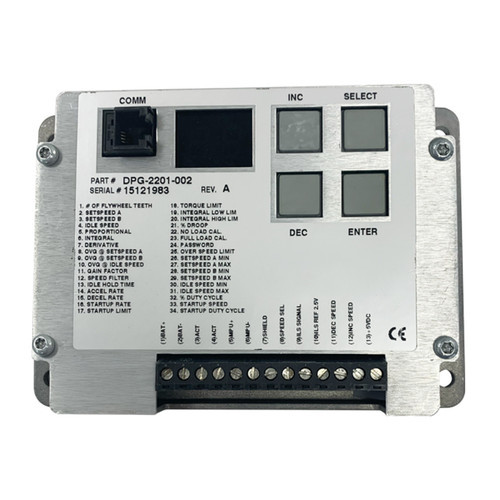
Cummins generators provide dependable backup power for homes, businesses, healthcare facilities, and industrial sites. Whether you own a standby system or a Cummins whole house generator, reliable operation depends on proper maintenance and accurate repairs. Replacing Cummins generator parts without first identifying the real problem can waste money, increase downtime, and cause repeat failures. Many generator issues have simple causes that are easy to overlook during troubleshooting.
This guide explains what to inspect before ordering replacement components. By following these practical steps, you can diagnose problems more accurately, extend equipment life, and confidently choose the correct Cummins generator parts for your specific generator model and application.
Why Proper Diagnosis Matters Before Replacing Parts
A generator is made up of several systems that work together. A problem in one area can create symptoms somewhere else.
For example, poor fuel delivery may appear to be an engine problem. A weak battery may prevent starting even though the engine is healthy.
A careful inspection helps you identify the real cause before purchasing Cummins generator parts.
Common problem areas include:
- Fuel system
- Electrical system
- Cooling system
- Lubrication system
- Battery and starting system
- Control system
- Load-related issues
Check the Generator's Application First
Not every Cummins generator operates under the same conditions.
An industrial generator often runs for long periods under heavy loads. A standby unit may only operate during power outages. A Cummins whole house generator usually runs automatically during emergencies and receives scheduled maintenance.
Before replacing parts, consider:
- Total operating hours
- Average electrical load
- Installation environment
- Service history
- Maintenance schedule
These factors greatly affect how quickly different components wear out.
Review Error Codes and Control Panel Information
Modern generators provide valuable information through the control panel.
Always review alarms before replacing components. Error codes often point technicians toward the correct inspection area.
Common examples include:
- Low oil pressure
- Overcrank
- Overspeed
- Low battery voltage
- High coolant temperature
- Frequency faults
These warnings should guide your inspection instead of encouraging immediate part replacement.
Inspect the Battery and Starting System
Many generator failures begin with the starting system.
A weak battery or poor electrical connection can prevent the generator from starting even when the engine is in good condition.
Inspect the following:
- Battery condition
- Battery charger
- Battery cables
- Cable terminals
- Starter motor
- Starter solenoid
Clean connections and proper battery voltage often solve starting problems without replacing major engine components.
Check Fuel System Components
The fuel system deserves careful attention before ordering new parts.
Restricted fuel flow can create rough running, hard starting, or complete shutdowns.
Inspect:
- Fuel filters
- Fuel lines
- Fuel pumps
- Injectors
- Fuel quality
Water, dirt, or contaminated fuel may create symptoms that resemble expensive mechanical failures.
Replacing filters or correcting fuel contamination may restore normal performance.
Inspect Cooling and Lubrication Components
Heat is one of the biggest threats to generator reliability. An overheating engine can damage several components if the cooling system is ignored.
Inspect these items carefully:
- Coolant level
- Radiator
- Hoses
- Belts
- Water pump
- Oil filters
- Engine oil condition
Low oil or poor lubrication also increases internal engine wear. Routine inspections help prevent costly repairs later.
Review Electrical and Control Components
Today's Cummins power generations systems combine mechanical equipment with advanced electronics.
Sensors, wiring, and controllers constantly communicate to keep the generator operating safely.
Inspect:
- Wiring harnesses
- Sensors
- Control boards
- Voltage regulators
- Alternator-related components
- Circuit breakers
- Electrical connections
Loose wiring or damaged sensors may trigger alarms even though larger components remain fully functional.
Confirm the Correct Part Number Before Ordering
Never order replacement parts based only on appearance.
Many Cummins generator parts look similar but fit different generator models.
Always verify:
- Generator model number
- Serial number
- kW rating
- Engine family
- Generator configuration
Matching these details helps prevent installation problems and unnecessary returns.
When Replacement Makes Sense
Sometimes replacement is the best solution.
Common signs include:
- Visible component damage
- Repeated alarms after maintenance
- Failed diagnostic testing
- Worn fuel or oil filters
- Cracked belts
- Leaking hoses
- Unstable voltage output
- Documented component failure
Replacing confirmed faulty components improves reliability while avoiding unnecessary expenses.
Keep Your Generator Running Dependably
A careful inspection saves time, reduces unnecessary repairs, and improves long-term reliability. Before ordering Cummins generator parts, confirm the real cause of the problem and verify the correct replacement. If you need dependable components for maintenance or repairs, contact Ace Power Parts to source compatible Cummins generator parts from a knowledgeable supplier.