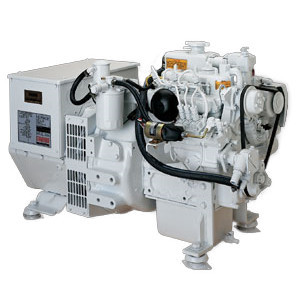
Modern generators rely on more than engines and alternators to deliver dependable backup power. The control system plays an equally important role in keeping everything running correctly. When people search for Deep Sea, they are usually referring to Deep Sea Electronics, a trusted manufacturer of generator control modules used worldwide. These controllers are found in standby, commercial, and industrial generator systems.
They automate operations, monitor performance, and help protect equipment from damage. Understanding how they work and knowing when they need attention can reduce downtime, prevent unnecessary repairs, and help you select the correct replacement when the time comes.
What Is a Deep Sea Generator Controller?
A deep-sea controller is the central control unit for a generator. It continuously monitors the generator and automatically manages many of its essential functions.
The controller can:
- Start and stop the generator
- Monitor engine performance
- Display operating information
- Detect system faults
- Trigger alarms when problems occur
- Protect the engine and alternator from damage
Instead of manually checking every operating condition, technicians can quickly review information displayed by the controller. This improves maintenance and makes troubleshooting much easier.
Why Deep Sea Electronics Controllers Matter
A generator depends on accurate communication between its mechanical and electrical systems. That communication is handled by Deep Sea Electronics controllers.
These controllers improve generator performance by providing:
- Automatic operation during power failures
- Continuous monitoring of important engine data
- Built-in protection against unsafe operating conditions
- Faster troubleshooting through fault codes
- Reliable system automation
When the controller develops a fault, the generator may not perform as expected. Problems can appear even when the engine, alternator, and other components remain in good condition.
A faulty controller may cause:
- Startup failures
- Unexpected shutdowns
- False warning alarms
- Communication errors
- Poor system monitoring
For this reason, the controller should always be included during generator inspections.
Common Signs a Controller May Need Replacement
Controllers normally provide years of dependable service. However, electronic components can eventually fail because of age, moisture, vibration, or electrical damage.
Watch for these warning signs:
- Blank or unreadable display
- Buttons that no longer respond
- Generator will not start automatically
- Incorrect operating readings
- Repeated alarm messages without an obvious cause
- Communication failures with connected equipment
- Physical damage to the controller housing
- Water or moisture damage
- Random system resets or unstable operation
These symptoms often indicate the controller should receive further inspection before deciding on replacement.
Check These Items Before Replacing the Controller
Not every generator problem is caused by the controller itself. Several simple issues can produce similar symptoms, so basic diagnostics should always come first.
Inspect the following components:
Wiring Connections
Loose, damaged, or corroded wiring can interrupt communication between the controller and generator.
Battery Voltage
Low battery voltage often prevents the controller from operating correctly.
Fuses
A blown fuse may completely disable the controller while the rest of the generator remains functional.
Connectors
Inspect every connector for corrosion, moisture, or loose terminals.
Sensor Inputs
Faulty oil pressure, coolant temperature, or speed sensors may trigger alarms that appear to be controller failures.
Configuration Settings
Incorrect programming or accidental setting changes can create operating problems without any hardware damage.
Error Codes
Always review stored fault codes before ordering replacement parts. They often identify the actual source of the problem.
Completing these inspections can prevent unnecessary replacement costs.
How to Identify the Correct Controller
Selecting the right replacement controller is just as important as diagnosing the problem correctly.
Many models appear similar but support different generator configurations.
Before ordering, verify:
- Controller model number
- Part number
- Control panel identification label
- Generator manufacturer
- Operating voltage
- Generator application
- Existing wiring configuration
Installing the wrong deep-sea controller may lead to communication issues, incorrect programming, or compatibility problems with other generator components.
Taking a few extra minutes to confirm these details helps avoid delays during installation.
When Replacement Is the Best Option
Sometimes replacing the controller is the most practical solution.
Replacement is generally recommended when:
- The controller has visible physical damage.
- Water has entered the housing.
- The display no longer functions.
- Internal electronics repeatedly fail.
- Communication cannot be restored after diagnostics.
- The controller is obsolete and replacement parts are unavailable.
- Multiple troubleshooting steps confirm controller failure.
Replacing a confirmed faulty controller helps restore reliable generator performance while reducing future downtime.
Choosing the Right Replacement Part
Finding the correct replacement is easier when you have accurate generator information.
At Ace Power Parts, the team helps customers identify compatible Deep Sea Electronics controllers and related generator components for many applications.
Providing the following information can speed up the selection process:
- Controller model number
- Generator model
- Serial number
- Generator manufacturer
- Photos of the existing controller, if available
Accurate information helps ensure you receive a compatible replacement without unnecessary guesswork.
If you are unsure which controller your generator requires, contact the Ace Power Parts team for assistance before placing an order.
Keep Your Generator Operating Reliably
A deep-sea controller is one of the most important components in any modern generator system. Proper diagnosis helps identify whether the controller or another part is causing the problem. Confirming compatibility before ordering also reduces installation issues and unnecessary downtime. If you need a replacement Deep Sea controller or have questions about your generator, contact Ace Power Parts for expert guidance in selecting the right component for your equipment.