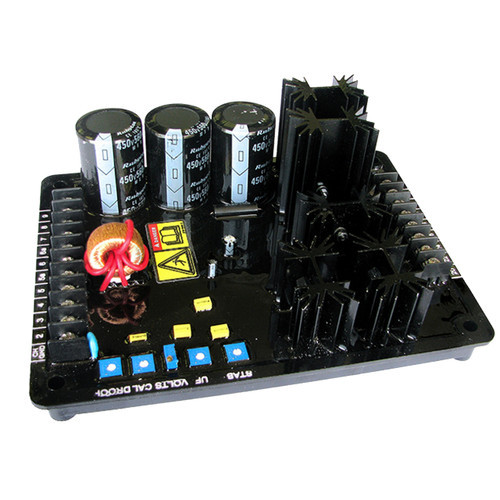
Industrial equipment depends on reliable components to perform safely and efficiently. However, sourcing the correct Caterpillar parts is not always as simple as searching online. Even generators with similar specifications can use different components based on model, production year, serial number, or previous modifications. Ordering the wrong part can lead to unnecessary downtime, costly delays, and repeated repairs. Knowing what information to collect before placing an order helps reduce errors and expedite the repair process.
This guide explains how to identify the right parts, compare your purchasing options, and confidently source components for your industrial power equipment.
Why Choosing the Right Caterpillar Parts Matters
Every component inside industrial power equipment is designed to work within specific operating conditions. Installing an incompatible part can affect performance, reduce efficiency, or create additional mechanical problems.
Using the wrong part may result in:
- Equipment downtime
- Reduced generator performance
- Premature component failure
- Higher repair and labor costs
- Delayed project schedules
This is especially important for a Caterpillar generator operating in critical environments where reliability is essential. Taking time to verify compatibility before ordering helps prevent expensive mistakes later.
Start with the Equipment Model, Serial Number, and Part Number
The most important step when sourcing Caterpillar parts is identifying your equipment correctly. Even two generators with the same model name may use different components depending on production changes or optional configurations.
Before purchasing, gather the following information:
Locate the Generator Model
Record the complete model number exactly as shown on the equipment identification plate.
Find the Serial Number Plate
The serial number identifies the exact machine configuration and manufacturing details. Suppliers often use this information to confirm compatibility.
Check the Existing Part Number
If possible, remove the existing component and record the complete part number printed on it. This provides the fastest way to identify a replacement.
Compare Available Documentation
Review maintenance manuals, parts catalogs, or service records to confirm the correct replacement.
Contact a Parts Specialist
If any information is missing or difficult to read, consult an experienced supplier before ordering. A knowledgeable specialist can often identify compatible parts using available equipment details.
Taking these simple steps significantly reduces the risk of receiving the wrong component.
OEM vs Aftermarket vs Remanufactured Caterpillar Parts
Replacement parts are available in several types, each designed to meet different needs and applications. Understanding the available options helps buyers make informed decisions based on budget, availability, and operating requirements.
OEM Parts
Original Equipment Manufacturer (OEM) parts are produced to meet the original equipment specifications.
Benefits include:
- Consistent fit and compatibility
- High confidence in quality
- Manufacturer-backed engineering
OEM components often cost more than other alternatives but are commonly preferred for critical applications.
Aftermarket Parts
Aftermarket replacements are produced by third-party manufacturers.
Advantages may include:
- Lower purchase cost
- Wider availability
- Multiple supplier options
Quality can vary significantly, so choosing a trusted supplier is essential when purchasing aftermarket components.
Remanufactured Parts
Remanufactured components are previously used parts that have been rebuilt to restore performance.
These parts can provide:
- Cost savings
- Extended service life
- Reduced waste
However, buyers should always verify inspection standards and warranty coverage before purchasing.
Used Parts
Used components may be appropriate for certain applications when new replacements are unavailable.
Before buying used parts, inspect:
- Overall condition
- Signs of wear
- Previous damage
- Remaining service life
- Seller reputation
A carefully inspected used component can sometimes provide a practical solution, but it should never be selected without proper evaluation.
What to Check Before Buying Caterpillar Parts Online
Buying Caterpillar parts online offers convenience and access to a wider inventory, but it also requires careful verification before placing an order.
Always confirm the following:
Correct Part Number
The part number should match your equipment documentation or the original component whenever possible.
Equipment Compatibility
Confirm the replacement fits your specific cat generator model, including production variations and engine configuration.
Supplier Experience
Choose suppliers familiar with industrial power equipment rather than general parts retailers. Specialized knowledge often reduces ordering errors.
Inventory Availability
Verify current stock status and estimated delivery times, particularly if your equipment is already out of service.
Return Policy
Understand the supplier's return process before ordering in case compatibility issues arise.
Warranty or Quality Assurance
Ask whether the part includes warranty protection or quality verification.
Cross-Reference Assistance
Experienced suppliers can often cross-reference older or discontinued part numbers with current replacements, helping customers locate compatible components more efficiently.
A few minutes of verification before ordering can prevent days of unnecessary downtime.
Common Caterpillar Generator Parts Buyers Search For
Industrial generators rely on hundreds of individual components working together. While replacement needs vary, several categories are requested more frequently than others.
Common Caterpillar parts include:
- Air, oil, and fuel filters
- Sensors and monitoring devices
- Fuel injection components
- Cooling system parts
- Electrical connectors and wiring components
- Control modules
- Starters
- Alternators
- Voltage regulators
- Governors
- Engine gaskets and seals
- Pumps and related engine components
Many of these parts may appear similar while having different specifications depending on the exact generator model. Always verify compatibility before purchasing.
When to Ask a Parts Specialist for Help
Not every replacement can be identified using a simple online search. Some situations require additional technical knowledge to avoid ordering the wrong component.
Consider contacting a parts specialist if:
- The original part number is missing
- The equipment has been modified
- Previous repairs changed component configurations
- The generator is an older model
- Multiple compatible part options appear
- Documentation is unavailable
An experienced supplier can often identify the correct replacement using the equipment model, serial number, photographs, or maintenance history.
This additional support reduces guesswork and helps keep repairs moving efficiently.
Source Caterpillar Parts with Confidence
Finding the right Caterpillar parts starts with accurate equipment information and careful verification before purchasing. Confirming the model number, serial number, and existing part number helps eliminate costly ordering mistakes. Understanding the differences between OEM, aftermarket, remanufactured, and used components also allows buyers to select the option that best fits their equipment and budget.
If you're sourcing parts for a Caterpillar generator or cat generator, don't rely on guesswork. Contact Ace Power Parts with your model number, serial number, existing part number, or photos of the component. Our experienced team can help identify the correct replacement and simplify the process of sourcing reliable Caterpillar parts for your industrial power equipment.