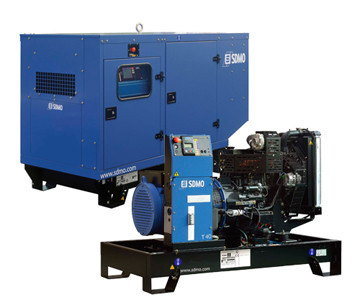
If you’ve ever wondered what actually separates a home generator from a true Industrial Generator, you’re not alone. Facility managers and engineers ask this all the time—because the answer affects everything from uptime to safety to long-term costs. An Industrial Generator isn’t just “bigger” than a residential unit. It’s built for demanding environments, long runtimes, heavy loads, and the nonstop work that factories, hospitals, and data centers rely on every day. When a facility can’t afford a single second of downtime, the right industrial generator becomes the backbone of operations.
That’s why sizing matters, specs matter, and understanding the differences helps buyers feel confident before requesting a quote.
What “Industrial Generator” Really Means
Before choosing a system, it helps to understand what makes an Industrial Generator a different class of machine. These units are built for brutal workloads and round-the-clock dependability.
Core qualities include:
- Engine durability: Designed for thousands of hours of continuous service.
- Heavy-duty cycles: Built for prime and continuous loads—not just backups.
- Fuel flexibility: Diesel, natural gas, dual-fuel options, depending on the site’s needs.
- Load capacity: Capable of powering entire buildings or pieces of heavy machinery.
- Continuous-power design: No “light-duty” shortcuts; everything is reinforced for industrial stress.
If a commercial generator is the working pickup truck, an Industrial Generator is the full-blown workhorse built for nonstop operations.
Industrial Generator KW Ranges (40KW–2000KW)
Choosing the right size is often the biggest stress point for buyers. This breakdown makes it easier:
40KW–200KW → Small Facilities
Great for:
- Small workshops
- Retail spaces
- Compact manufacturing areas
- Light office loads
- Backup power for support systems
A genset in this range handles essential loads without overwhelming fuel costs.
200KW–750KW → Mid-Size Operations
Perfect for:
- Medium-sized factories
- Larger office buildings
- Mid-size warehouses
- Multi-unit commercial buildings
A diesel generator set here keeps HVAC systems, machinery, and lighting stable during outages.
750KW–2000KW → Large Facilities & Critical Infrastructure
Used by:
- Hospitals
- Data centers
- High-volume manufacturing plants
- Cold storage and refrigerated warehouses
This is where an Industrial Generator becomes mission-critical, often paired with an emergency generator for layered reliability.
Types of Industrial Generators
Before buying, it helps to know the major categories you’ll encounter:
1. Diesel Generators
Most common, most robust, and ideal for heavy industrial use. A diesel generator set offers long service life and reliable fuel efficiency.
2. Natural Gas Generators
Lower emissions, steady fuel supply, strong for prime power in urban sites.
3. Standby Gensets
A genset designed to activate only when the main power fails. Often paired with a building’s transfer switch system.
4. Continuous-Power Units
Built to run nonstop—often used in remote sites, manufacturing lines, and data centers with high uptime expectations.
Industrial vs Commercial Generators
A commercial generator looks similar on the outside, but the differences under the hood are big. The following are some of the key differences:
Construction & Build Quality
- Commercial Generators: Lighter frames, standard components, and basic vibration control suited for office buildings, retail locations, or small commercial spaces.
- Industrial Generators: Reinforced steel housings, heavy-duty mounts, industrial-grade alternators, and high-strength components meant to withstand constant vibration, heat, and mechanical stress.
Runtime Expectations
- Commercial: Intended for occasional outages or limited backup cycles.
- Industrial: Designed for continuous or prime-power operation, running for hours—or even days—without overheating or losing efficiency.
Load Handling & Power Stability
- Commercial: Supports moderate loads and typical business equipment.
- Industrial: Handles high starting currents, large motors, production lines, compressors, HVAC systems, and sensitive electronic infrastructure without voltage dips.
Compliance & Emissions Requirements
- Commercial: Meets standard regional guidelines.
- Industrial: Often built to meet EPA Tier certifications, international export standards, and site-specific compliance requirements for hospitals, manufacturing plants, and data centers.
Durability in Harsh Environments
- Commercial: Best for indoor or controlled environments.
- Industrial: Built for rugged conditions—marine environments, manufacturing floors, mining sites, remote locations, and high-heat or high-dust operations.
Think of it this way: a commercial generator handles convenience; an Industrial Generator handles responsibility.
When You Need an Industrial Generator
An Industrial Generator becomes essential once your operations depend on heavy electrical loads or critical uptime.
You’ll need one if your facility uses:
- Heavy machinery and production lines
- Large-scale refrigeration or cold storage
- High-capacity HVAC systems
- Server rooms or data infrastructure
- Safety and emergency lighting
- Medical or lab equipment
In most mission-critical environments, an emergency generator also supports life-safety circuits or backup processes.
Key Specs Buyers Should Compare
Before requesting a quote, compare these core specs so you can choose the right system:
Important factors:
- kW and kVA ratings
- Fuel autonomy and tank size
- Transfer switch type
- Emissions tier (especially for export buyers)
- Noise levels
- Cooling system (liquid-cooled vs air-cooled)
- Controller type and monitoring features
- Startup time for emergency generator backup
Understanding these specs takes the mystery out of choosing the right Industrial Generator.
The Bottom Line: Match the Generator to the Stakes of Your Facility
A high-quality Industrial Generator is more than backup—it’s the reason factories keep running, data centers stay online, and hospitals never lose power. You learned what defines an Industrial Generator, how KW ranges support different facility sizes, and how it differs from a commercial generator or emergency generator system. If you’re ready to choose the right generator for your operation, reach out for a sizing evaluation or expert guidance today — contact us for support.