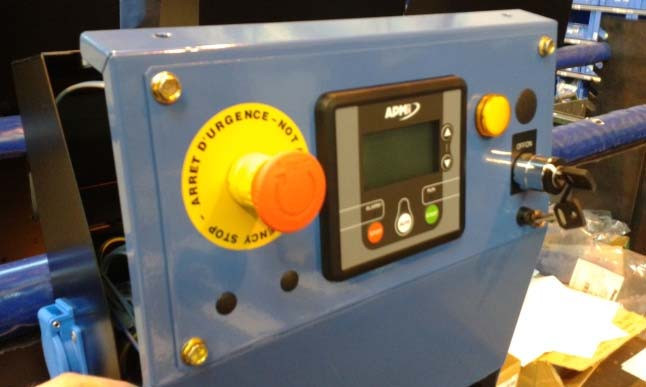
The first startup is where most generator problems begin—or get prevented. If you rush this moment, skip checks, or trust assumptions, small mistakes can turn into shutdowns, alarms, or long-term damage.
This guide breaks down the Kohler APM303 startup procedure the same way experienced technicians handle it on-site. No manual flipping. No guessing. Just a clear, repeatable process you can follow with confidence. Whether you are commissioning a new unit or verifying a replacement controller, this walkthrough helps you move step by step, confirm safety, and understand what the controller is telling you before power ever reaches the load.
Watch the field walkthrough first
If you need a visual reference before touching the panel, start here.
This video mirrors real-world startup conditions and pairs perfectly with the steps below.
Video: https://youtu.be/9L1yvtTxReg?si=SfordRaMrHB5inse
Pre-Operational Inspection (Physical Checks)
Before touching the controller, confirm the machine itself is ready. This is your foundation.
Generator nameplate validation
Use a Generator nameplate validation guide approach:
- Confirm voltage, frequency, and phase
- Match ratings to site requirements
- Verify model and serial numbers align with documentation
Skipping this step creates mismatched expectations before startup.
Fluids and cooling system
Check these every time:
- Engine oil at proper level
- Coolant level and visible hoses
- Verify the SDMO generator coolant level sensor connection if equipped
Low fluids trigger shutdowns fast and protect the engine by design.
Battery and power supply
Follow a proper Kohler generator battery check procedure:
- Battery voltage is stable
- Terminals are clean and tight
- Charger is powered and active
A weak battery causes false faults during the first crank.
Interface Mastery: Know the APM303 Before Starting
Before pressing anything, understand the layout.
Buttons and indicators
The apm303 interface is simple but deliberate:
- Mode selection keys
- Navigation arrows
- Alarm indicators and status LEDs
Confirm no active alarms before proceeding.
Safety confirmation
Perform a quick APM303 control panel safety confirmation:
- The emergency stop is released
- The panel door is secured
- No lockout conditions are present
This step prevents confusion once the engine turns.
Manual Startup Sequence (Field Method)
Manual mode gives you full visibility during the first run.
Step-by-step manual start
This APM303 controller manual mode operation sequence mirrors field practice:
- Place controller in MANUAL
- Press START and observe crank
- Confirm engine reaches stable speed
- Allow warm-up before load
If the engine does not stabilize, stop and investigate immediately.
This process aligns with the apm303 manual logic without overcomplication.
Value Monitoring: What Numbers Actually Matter
Ignore distractions. Focus on these essentials.
Electrical values
When monitoring electrical values on APM303, watch:
- Voltage stability
- Frequency within tolerance
- Phase balance if applicable
These confirm alternator and regulation health.
Mechanical values
Pay close attention to:
- Oil pressure rise after start
- Engine temperature trend
- Absence of abnormal alarms
Stable readings mean the startup was successful.
Automatic Mode & TSI Testing
Once manual operation is verified, confirm remote functionality.
AUTO mode verification
This APM303 automatic mode test ensures real-world readiness:
- Switch the controller to AUTO
- Simulate a start command
- Observe start, run, and stop behavior
TSI terminals
Verify APM303 TSI terminals' wiring:
- Correct terminal connections
- Clean signal response
- No delay or failure to start
This step confirms readiness for transfer switch integration and site automation.
Wiring References And Documentation
If wiring questions come up, refer to the SDMO APM303 wiring diagram alongside this guide. Combining diagrams with live controller behavior prevents misinterpretation during commissioning.
For long-term reference, many teams create a Generator commissioning checklist PDF from this process and keep it on-site.
Why Does This Process Work In The Field
This SDMO APM303 first startup guide bridges the gap between manuals and real conditions. It helps technicians:
- Avoid nuisance alarms
- Catch issues early
- Build confidence before the load connection
It also sets a clean baseline for future maintenance. If you maintain KOHLER systems regularly, our upcoming resource on industrial service planning will pair well with this guide.
Wrap-up and next steps
A careful Kohler APM303 startup procedure protects equipment, saves time, and builds trust in the system from day one. Follow the checks, respect the sequence, and let the controller do its job. If you need parts, documentation support, or commissioning guidance, contact us anytime we’re here to help you start it right the first time.